Manual Handling

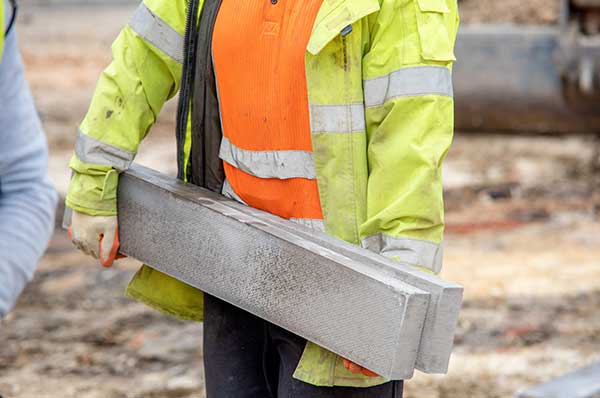
Lifting a Concrete Post during Manual Handling Training.

Let's start with an

Introduction

This course is designed for anyone who needs manual handling training, making it ideal for meeting workplace requirements.

Proper manual handling training helps reduce the risk of accidents by identifying potential hazards and taking preventive measures. Although manual handling is simple to learn, it can prevent numerous issues for both employers and employees. The course covers important topics such as legislation, common injuries, best practices, accident prevention, and the use of various lifting aids. Additionally, we include a section on manual handling risk assessments and the recommended 5-step process for conducting one.

The Manual Handling Operations Regulations 1992 require employers to ensure all employees are trained and competent in manual handling. Employers are responsible for minimising manual handling where reasonably possible, and if unavoidable, they must implement measures to reduce the risk of injury. This course helps mitigate those risks.

Training can be conducted either on-site at your premises or at one of our accredited training centres.

Wondering if this is

The right course for you?

Manual handling training is a legal requirement for employees involved in lifting, lowering, pushing, or pulling items that pose any level of risk. Most work environments involve some form of manual handling, making this course relevant to a wide range of industries.

What will be covered?

Course Content

While this list is not exhaustive, here are some key topics covered during the training.

Upon successfully completing the course, trainees will receive an accredited or in-house certificate valid for three years. A refresher course is recommended every three years to maintain compliance and safety standards.

Explain effective manual handling techniques

Demonstrate effective manual handling techniques

Responsibilities within manual handling

Demonstrate effective load planning

How to minimise risk

Conduct a risk assessment before manual handling

Explain how to report an incident

Ergonomic lifting aids

Causes and types of injury

Anatomy of spine to show how accidents can happen and their consequences

Body mechanics and how to use proper muscle groups to avoid injury

Team handling and communication

Ready to learn?

Get in Touch

If you have any questions, our team is here to help. Get in touch by phone, email, or by completing the enquiry form, and one of our friendly team members will be in touch within 24 hours.